


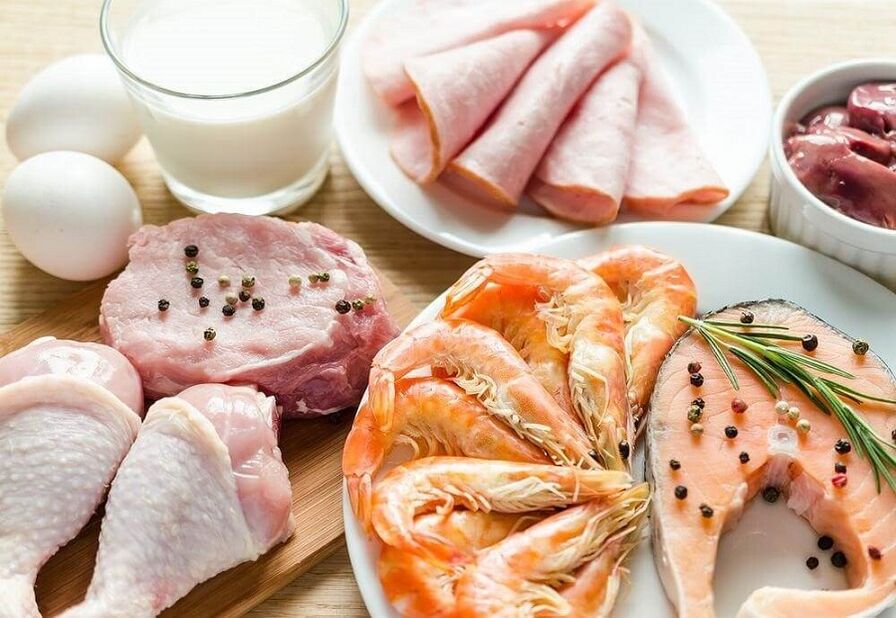
A protein diet is a diet based primarily on protein foods.The most popular of these diets is the Dukan diet, which limits the intake of carbohydrates and fats in the diet.However, we can also talk about a protein diet, in which protein consumption is increased, but at the same time other components of the diet are present - fats, carbohydrates and fibers.This type of diet is used by athletes, for example, when they are trying to increase muscle mass during training.
Do not forget that the diet should be balanced.Any restriction on food puts stress on the body and mind.When choosing a weight loss method, try to correctly assess your health and physical fitness.
Principles of protein diet
The protein weight loss diet developed by Dukan has four phases.In the first one, only protein products are consumed.This stage is called exposure.The second phase is the alternating phase - vegetables are also included in the diet, but only with protein foods and only once every other day.During the stationary phase, small amounts of foods containing complex carbohydrates and fats are introduced into the diet very slowly.The final stage of stabilization is eating according to healthy eating recommendations, aiming to maintain optimal weight.
Useful practical tips on a protein diet:
- Eat when you feel hungry and only eat approved foods.
- Drink at least 2 glasses of water with every meal.
- During the first two phases of your protein diet, you should avoid fats and even oils.
- Do not exercise during the first few weeks of dieting as your body will become significantly weaker.
- To compensate for vitamin deficiencies, you must take supplements.
Effects of protein diet
A protein diet is one of the most effective weight loss diets in terms of speed of weight loss.In just a few days, you can lose a few centimeters from your waistline.However, few people are able to control their diet to the final stage of eventual stabilization.In practice, this means that after a restrictive monotonous protein diet, dieters often have an increased appetite for fruit, bread, or even plain potatoes, which often leads to renewed weight gain.
How to start a diet?
Phase One of the Dukan Diet
During the first phase, you should only consume protein.The first phase of the Dukan Diet can last from 2 to 10 days.It all depends on how much weight the person on this diet wants to lose.In most cases, this period lasts 3 to 5 days, as it is difficult to prolong survival by eating only protein foods.During this period, a person can lose 1.5 to 2.5 kg of excess weight.
What to eat during the first phase of the Dukan Diet:
- lean beef (tenderloin and roast beef),
- skinless turkey,
- language,
- liver,
- Lean offal,
- Fish (sardines, mackerel, tuna, salmon, cod, trout), seafood,
- Low-fat yogurt, cottage cheese, milk or eggs.
The above products can be steamed or baked in the oven, but most importantly, fats, that is, butter or any vegetable oil, should be strictly avoided.You can add vinegar, herbs, garlic, parsley, shallots, scallions, gherkins, pickled onions, lemon juice, salt or mustard to taste.
It is recommended to drink more water with meals.Maximum 5 liters per day.This allows you to rid your body of waste byproducts and toxins.During the first phase of the Dukan diet, you should not eat bread, vegetables, fruits, pasta, rice or porridge.
After the first phase is over, you can start eating vegetables.
Phase 2 of the Dukan Diet
The second phase of the Dukan diet - alternation - is less strict than the first, as vegetables end up on the menu.This phase should continue until the ultimate goal is achieved - the desired weight.There are different versions for calculating the duration of this phase.Some believe it takes an average of five to ten days to lose one kilogram.For example, if someone wants to lose 10 kilograms of excess weight, then the current phase of the diet should last for at least 50 days.
In the second phase of the diet, you can add to your diet:
- tomato,
- cucumber,
- radish,
- spinach,
- broccoli,
- asparagus,
- beet,
- eggplant,
- cabbage,
- Chinese chives,
- celery,
- squash,
- black pepper,
- carrot.

You can eat mushrooms.Potatoes, rice, corn and beans are prohibited.You can't dress your salad greens with fat, so use lemon juice, wine vinegar, or low-fat yogurt instead.
Phase Three of the Dukan Diet
The third phase—immobilization—is used to maintain weight and prevent the yo-yo effect (regaining weight).The duration of this phase depends on the number of kilograms lost.On average, it takes 10 days to burn each kilogram.For example, if you lose 10 kilograms of weight, the third phase of the Dukan Diet should last for 100 days.
Then you can start eating fruits, pasta, rice, potatoes, cheese, but not more than twice a week.You can also start eating bread, but only whole wheat bread and no more than two slices a day.Have a glass of red wine with dinner.It is important to limit yourself to Phase 1 foods – protein-only foods – at least one day a week.
Phase 4 of the Dukan Diet
The final phase of the Dukan Diet should last for the rest of your life.You can eat whatever is considered a healthy diet.Fatty foods, fast food, sugary drinks, refined sugar and processed foods should be eliminated from your life.A very important factor in this phase is to choose one day a week where meals consist only of protein foods, just like in the first phase.
Advantages and Disadvantages of the Dukan Diet
The Dukan Diet is popular because of the wide variety of foods that can be consumed during the diet, as there are strict restrictions only in the first phase of this nutritional system.You should not eat at certain times of the day, but only when you feel hungry.You don't need to count calories or calculate the amount of carbs you consume.Plus, you might actually lose weight.But at what cost?
Numerous studies have shown that this diet does produce effective weight loss, but for some reason the side effects of this diet are barely considered.Excess protein is harmful to the kidneys, so the Dukan diet is not suitable for people with urinary tract disorders.Prolonged use of a protein diet can lead to urolithiasis or kidney failure.This diet is also harmful to the liver and even the brain, since the brain requires glucose, which has no place in the first phase of this nutritional system.
If you're concerned about both your health and weight loss, consider a different approach.More important than rapid weight loss is permanent change in eating habits.The diet should be adapted to the lifestyle and body's individual needs.If you still don't know how to lose weight, do not hesitate to seek help from experienced experts - nutritionists and nutritionists.They will be able to create a balanced diet, tell you how to choose quality products, and help you get your weight back to normal without compromising your health.Take care of yourself!